Link building continues to be a crucial part of SEO success, even as search engines get smarter. While Google’s algorithms keep changing, one thing stays the same — quality backlinks still play a major role in boosting your website’s authority and organic traffic.
But here’s the catch: not all link-building services are created equal. Some providers still use old-school tactics that might actually hurt your rankings, while others focus on legitimate strategies that follow Google’s best practices. The difference between these approaches can make or break your SEO efforts.
Why Link Building Still Matters in 2025
Even with all the AI and tech advancements in search, good old backlinks still carry serious weight in Google’s rankings. Here’s why they’re not going anywhere:
- Google trusts authoritative sites — When reputable websites link to you, it tells Google you’re a credible source worth ranking higher.
- Links bring real visitors — Quality backlinks don’t just help rankings — they drive targeted traffic that can actually turn into customers.
- Google’s getting smarter about spam — With updates like their 2025 Spam Update, shady link-building tactics get punished harder than ever. Playing by the rules isn’t just good practice — it’s essential now.
Real-World Insights: Curious about what Reddit says about link building services? A recent discussion revealed that most marketers succeed with digital PR and HARO, while others warned against agencies selling PBNs or “cheap links” that led to penalties. The consensus? Focus on earned placements over transactional links.
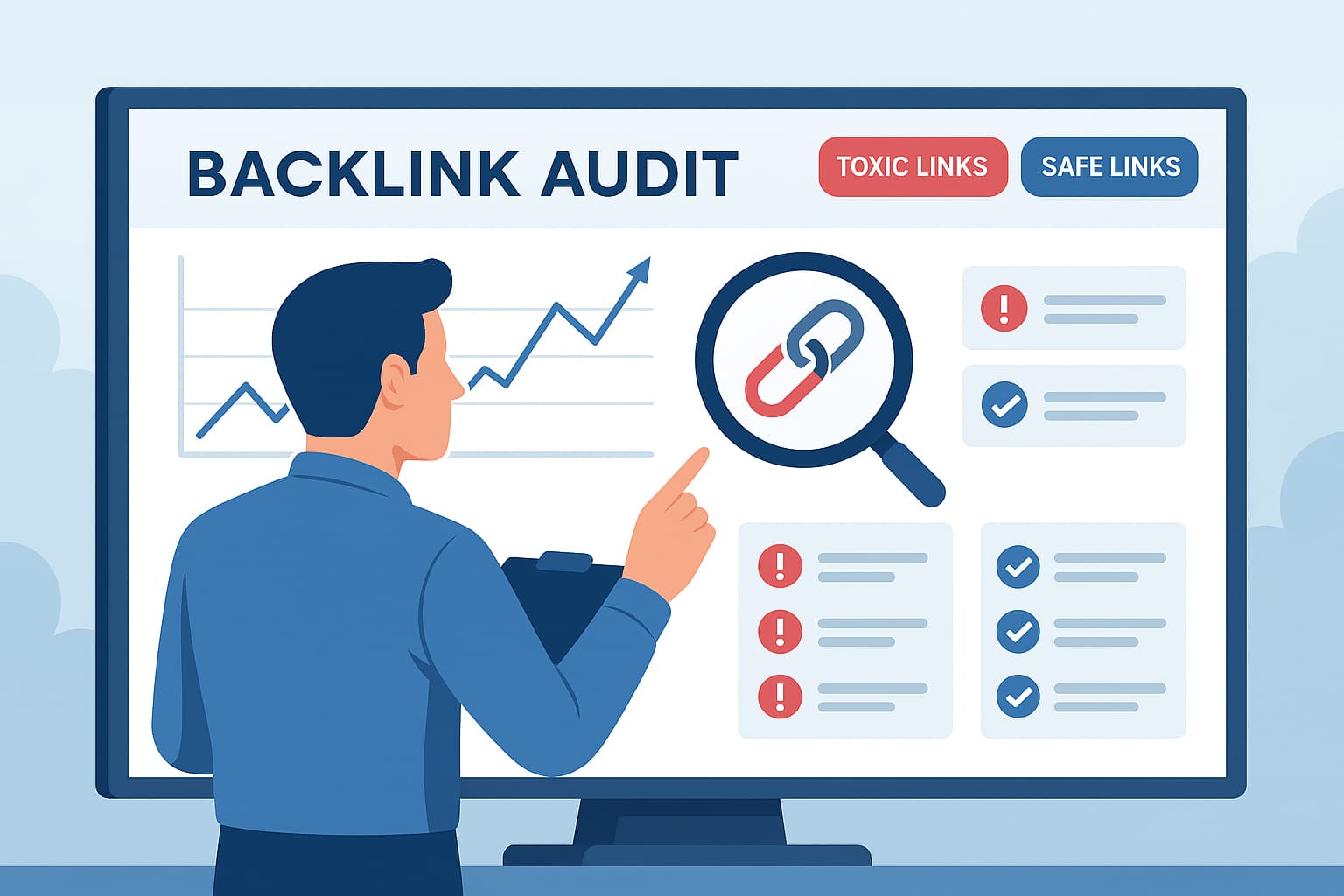
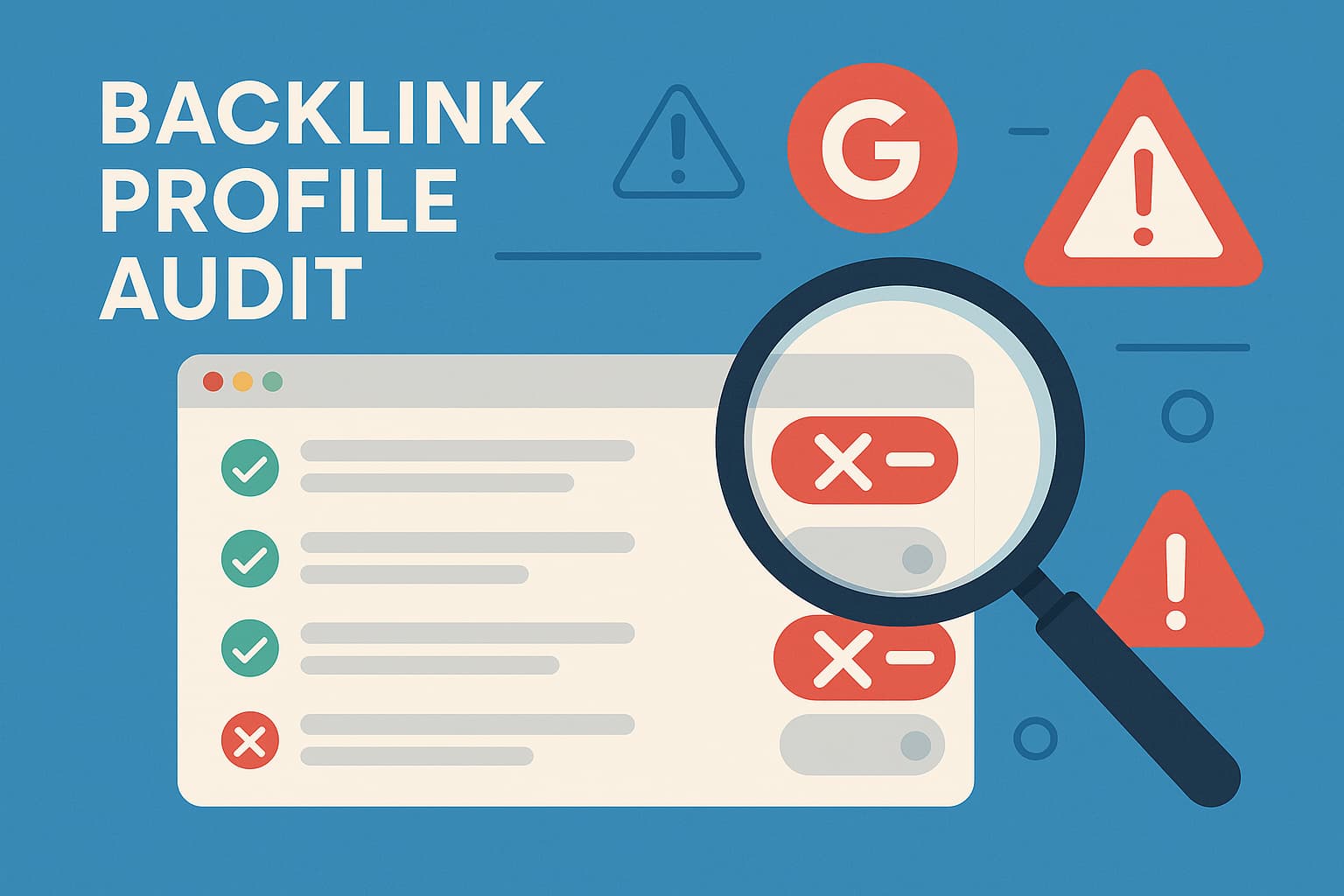
Low-quality links (e.g., directory spam, PBNs) can hurt rankings. Prioritize editorial backlinks from reputable sources.
What to Look For in Link Building Services
Before investing in a link-building service, it’s crucial to vet providers carefully. Not all services deliver high-quality, sustainable results—some may even put your site at risk of penalties. Here’s what to prioritize when choosing a link-building partner:
Transparency
Any trustworthy link-building service should be completely open about where your links will appear. They ought to show you exactly which sites they’ll use, including metrics like domain authority and traffic numbers — before you pay a dime. If a company won’t share this basic info, steer clear. They’re probably using shady sites that could get your website penalized.
White-Hat Methods
Watch out for services offering “guaranteed links” or using sketchy tactics like PBNs. Google’s detection systems are incredibly sophisticated now, and these black-hat tricks will backfire. Instead, look for providers using legitimate methods like digital PR campaigns, genuine expert outreach, and natural guest posting opportunities.
Relevance
Just because a website has high authority doesn’t mean their link will help you. A fitness brand getting a backlink from a finance powerhouse like Bloomberg won’t move the needle — Google wants to see links from sites actually related to your field.
The best services focus on securing links from websites in your industry or closely connected areas, because these are the ones search engines value most.
Editorial Approval
The strongest backlinks are those placed naturally within high-quality content, not forced into author bios or footer sections. Look for services that secure links through genuine editorial placements—meaning real journalists, bloggers, or site owners have vetted and approved the content. These links carry far more weight than paid or spammy insertions.
Track Record
Any reputable link-building provider should be able to show you real examples of their work. Ask for case studies, client success stories, or before-and-after results in your specific industry. If they can’t demonstrate actual improvements in rankings, traffic, or domain authority for past clients, that’s a big warning sign to look elsewhere.
Avoid services that:
- Promise hundreds of links for cheap (likely low-quality).
- Use PBNs or link farms.
- Don’t provide sample placements before purchase.
Link Building Services That Work in 2025
Not all link-building strategies are created equal. As Google’s algorithms grow more sophisticated, only the most natural, value-driven approaches deliver lasting results. Based on industry trends and what successful SEOs are implementing this year, these are the five most effective link building services that actually move the needle in 2025:
1. Editorial Link Placement Services
These services secure backlinks within naturally written content on authoritative sites. Unlike paid guest posts, these links are earned through:
- Journalists quoting your brand as a source.
- Industry roundups featuring your product/service.
- Expert contributions in high-DA publications.
Best for: Brands wanting organic, high-authority links.
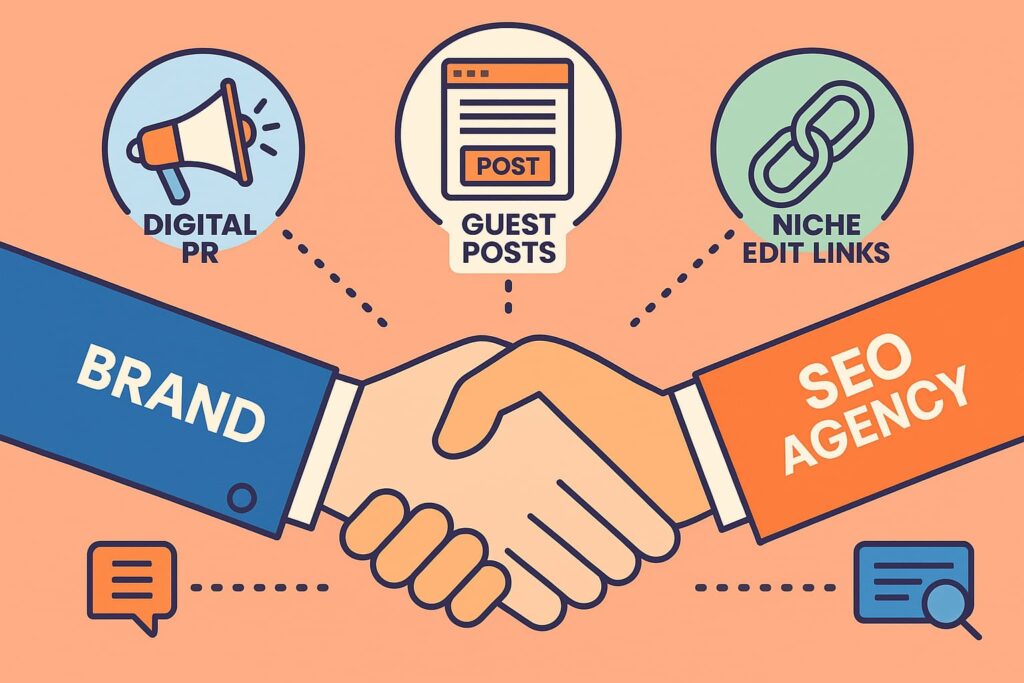
2. Digital PR Campaigns
Digital PR stands out as one of the best ways to earn high-quality backlinks today. The approach is simple: develop content that’s actually worth talking about — whether that’s fresh research, insightful industry commentary, or engaging narratives. When you create something truly valuable, journalists and bloggers will naturally want to feature it in their publications.
What makes digital PR special is that these aren’t paid links — they’re earned through real journalistic interest. The backlinks you get come naturally within the content, which means they carry more weight with Google and help establish your expertise (that’s the E-A-T factor at work). Plus, the results last much longer than sketchy paid link schemes.
Best for: Companies with unique insights or data to share.
3. Guest Posting (on Real Sites)
Guest posting isn’t dead—but spammy guest posting is. The right approach involves:
- Writing high-value content for real blogs in your niche.
- Ensuring the site has real traffic and engagement.
- Getting links naturally within the content (not just in the bio).
Best for: SEOs and marketers who can contribute valuable content.
4. HARO and Journalist Outreach
HARO (Help a Reporter Out) is like a matchmaking service connecting industry experts with journalists who need sources. When you provide useful commentary or data, you can score legitimate backlinks from major publications like CNN or The New York Times — plus industry-specific outlets. It’s a win-win: journalists get quality sources, and you get authoritative links while building relationships with the media.
Best for: Experts who can offer unique opinions or data.
5. Link Insertions (Niche Edits)
Sometimes called “niche edits,” this approach lets you add relevant links to already-published articles on high-ranking sites in your industry. Instead of creating new content from scratch, you:
- Find existing articles that are performing well.
- Work with the site owner to naturally insert your link.
- Get an instant credibility boost from an established page.
It’s one of the fastest ways to get quality backlinks without waiting for new content to be written and published.
Best for: Quick wins on established sites.
Red Flags to Watch Out For
When evaluating link-building providers, watch for these warning signs that could indicate low-quality or even harmful practices:
“Guaranteed #1 Ranking” Claims
Run the other way if a provider guarantees top rankings. Google’s algorithm changes constantly, and rankings depend on way more than just backlinks — your content quality, site experience, and competitors all play major roles. Companies making these bold claims usually resort to sketchy tactics that could get your site penalized.
Unnaturally Cheap Links
High-quality links require outreach, content creation, and relationship-building — all of which take time and expertise. If a service offers hundreds of links for pennies each, they’re likely using spammy directories, automated systems, or low-quality sites that Google ignores or penalizes.
Lack of Transparency
Good link-building companies will happily show you exactly where your links will appear before you pay. Be wary of anyone who won’t reveal their linking sites or hides behind vague terms like “premium network” without giving details. If they won’t show you samples, they’re probably cutting corners.
Use of Private Blog Networks (PBNs)
Some providers use networks of old, repurposed domains just to create links. These might seem to work at first, but Google’s gotten really good at spotting them. When caught, your site could get hit with ranking penalties that take months to fix — if you can fix them at all.
Irrelevant or Off-Topic Links
Getting links from completely unrelated sites (like a bank getting links from gaming blogs) does more harm than good. It confuses search engines and looks spammy. Quality providers focus on getting links from sites that actually relate to your business — the kind that might even send you real customers.
Results You Should Expect
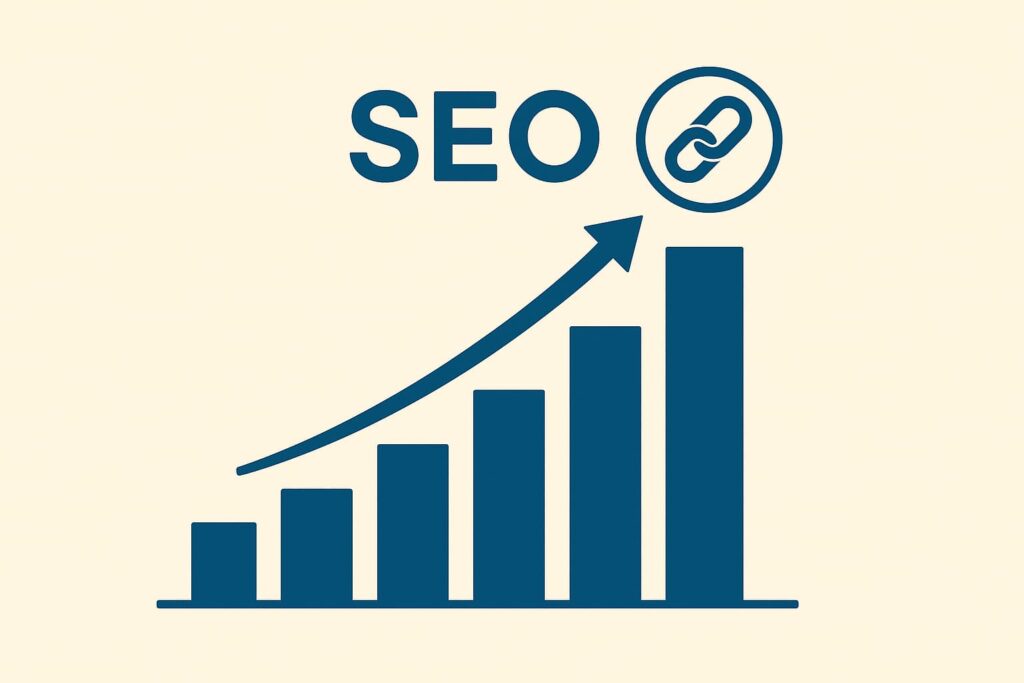
Realistic outcomes from a good link-building campaign in 2025:
- 3-6 months to see SEO impact (Google needs time to index and value links).
- Gradual increase in organic traffic (not overnight spikes).
- Higher domain authority over time (if links are from strong sites).
- Referral traffic from high-authority sources.
Conclusion
The truth about successful link building hasn’t changed much — it’s still about earning real links the right way. Methods like digital PR campaigns, HARO connections, and quality guest posts continue to work because they benefit everyone involved. You get authoritative backlinks, while publishers get valuable content for their readers.
Steer clear of any service promising overnight results or suspiciously cheap links. These shortcuts almost always backfire. Instead, focus on building relationships with reputable sites in your industry. Yes, it takes patience (expect 3-6 months to see real momentum), but the results last much longer than any quick-fix scheme.